




Replace Your Telephone Lines the Right Way
On March 26, 2026, the FCC passed the Network and Services Modernization Order, removing most of the federal process that previously required carriers to seek approval before retiring copper infrastructure. Filings, public comment periods, and months of regulatory review are largely gone. In most cases, carriers now only need to give customers 90 days’ notice before shutting off service, and those notices are already arriving.
AT&T has approval to retire POTS service at more than 30% of its wire centers by the end of 2026, with full copper retirement targeted for 2029. Verizon, Frontier, and Lumen are operating under the same framework. Properties that get ahead of this now can evaluate options on their own timeline and take advantage of the cost savings that come with dropping an aging, overpriced analog line. Properties that wait may find themselves reacting to a 90-day notice with far fewer options. The question is no longer whether you’ll replace your POTS lines. It’s whether you’ll do it on your timeline or your carrier’s.
When timelines compress this fast, the replacement path you choose matters. Not every solution is built for emergency communications. VoIP routes calls through your internet connection, the same connection that goes down in a power outage, exactly when your emergency phones are most likely to be needed. It also struggles to pass the location data that ASME code requires your monitoring operator to have. Kings III provides a purpose-built cellular path forward for elevator and emergency phones, designed around reliable response when seconds matter.
Takeaway standouts:
-
The FCC’s Network and Services Modernization Order removed the approval process that previously slowed carriers from retiring copper infrastructure
-
AT&T alone has approval to retire more than 30% of its wire centers by end of 2026, with full copper retirement targeted for 2029. Verizon, Frontier, and Lumen are operating under the same framework
-
In most cases, carriers now only need to give customers 90 days’ notice before shutting off service. Properties that wait will be replacing their POTS lines on their carrier’s schedule, not their own
The solution?
Industries that are required by code to have reliable communication systems can turn to cellular-based solutions to achieve POTS replacement.
Why is that?
While other internet-based services simply aren’t dependable, these code requirements are in perfect harmony and efficiently managed with cellular LTE solutions.
What’s Your Phone Line Replacement Strategy?
“Now, there is little the FCC can do to protect consumers when companies decide to retire their copper infrastructure. When this happens it means that people who rely on copper lines to monitor their health, protect their schools and homes, and participate in society are not protected from a downgrade in quality of service in these essential communications.” – Source
The FCC order doesn’t draw a clear picture of when providers will decommission your analog lines, just that traditional POTS line providers now have the permission to do so. Do you have a plan in place for evaluating POTS replacement options when this happens?
Items You Should Consider When Switching Your Emergency Phones to Cellular
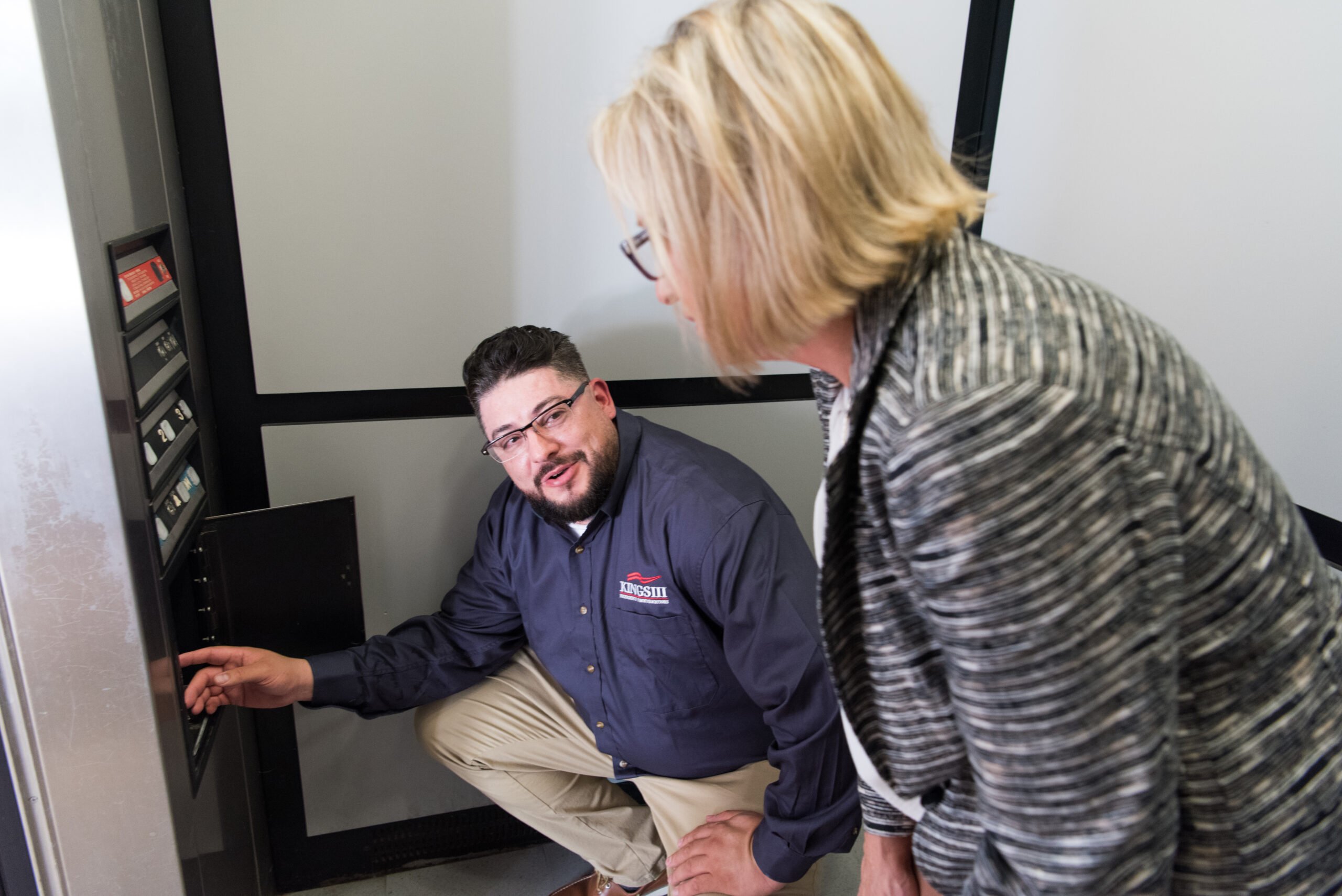
However, all cellular emergency phone solutions are not created equal. There is more to it than replacing those lines, especially when planning long-term POTS lines replacement for emergency communication systems. Those concerned with an efficient response to emergency phone calls using cellular phones, need to be aware that the lack of regulation regarding cellular communicators within the elevator industry has led to low quality, non-code compliant devices. Two specific areas where this comes into play are battery backup and phone line verification. ASME code dictates the elevator phone provide a “means of communication for at least four hours”. The confusion comes when that four hours of talk time is translated into standby time. The difference could have significant impact if you are trapped in an elevator and this is your only means of communication.
You Can’t Contact Help with a Phone That Has Inoperable Connections
The other issue is phone line verification. ASME also outlines specifically how the elevator cab must be able to verify the operability of the phone line. Ideally (and to meet code), when the phone line connected to your elevator is down, your phone line verification system (PLV) should send a visual and audible signal to notify whoever is onsite so the issue can be managed. Unfortunately, not all systems are equipped to do this.
Our Broad Skyline LTE Cellular Solution: The Best Choice for POTS Line Replacement
When seeking out POTS replacement options, you need a solution specifically designed for emergency use if you want a reliable response for any emergency call placed from your emergency device or legacy POTS phone. Enter Kings III’s Skyline Cellular Solution.
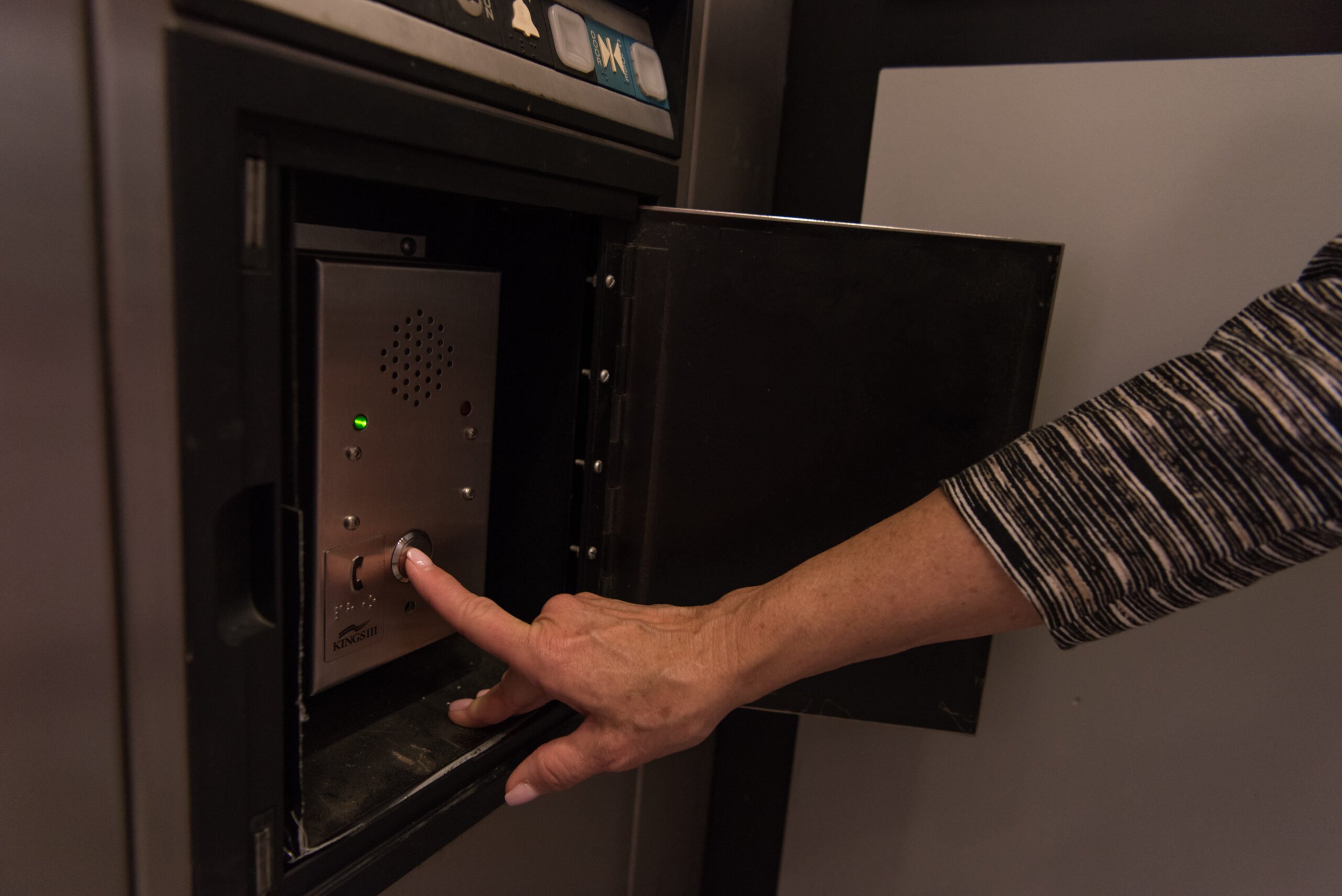
Setting the standard for POTS replacement technology, Skyline completely eliminates dependency on POTS lines by leveraging the LTE mobile network. For elevators, our solution uses a traditional ADA-compliant hands-free phone in each elevator cab. The cellular transceiver is located outside of the concrete & steel-lined shaft.
Unmatched
Technology
Utilizing commercial strength equipment, our cellular solution was created with the sole purpose of meeting the unique needs that come with emergency communication.
Other available cellular solutions are designed for consumer/personal use but make their way into commercial spaces. While they may work for a typical call, they aren’t designed with emergency response in mind. When seconds count, it’s imperative to have the proper equipment for a reliable response.
Code
Compliance
As POTS replacement increases, a lack of regulation regarding cellular communicators has led to the use of improper equipment in more specialized use cases. To meet elevator code, devices must include:
- A 4-hour battery backup in case of a power outage
- A communication alert triggering a phone line verification alarm system
- Caller location identification without aid from the caller
The Kings III Cellular Solution exceeds these code requirements where other devices often lack the capability to comply with these ASME elevator code standards.
Priority
Access
Kings III’s LTE cellular solution, currently deployed in over 80,000 customer emergency phones (and growing), now has an optional added benefit. The Kings III M90 cellular dialer is FirstNet® Capable.
FirstNet is the only nationwide communications network built with and for first responders, enhancing reliability and security when disaster strikes. FirstNet embedded solutions go through extensive review, and approved devices meet the highest standards for reliability, security, and performance.
FirstNet and the FirstNet logo are registered trademarks of the First Responder Network Authority. All other marks are the property of their respective owners.

Ditch the Lines: Some Commonly Asked Questions
- What is the difference between POTS and VoIP?
POTS service requires a fixed landline (i.e. a fax line) to make phone calls and voice is converted into an electrical signal, whereas VoIP (Voice Over Internet Protocol) requires the Internet as a transmission medium to make calls, and voice is converted into a digital signal.
-
What does the POTS line stand for?
POTS stands for Plain Old Telephone Service.
-
Can you still get a POTS line?
Yes, you can still get a POTS line, but this is something you may want to replace. As a trend, most businesses are opting for phone line replacement, or POTS replacement.
-
What are POTS lines?
POTS lines, or analog lines, service the Public Switched Telephone Network (PTSN) and allow users to make a call by making a connection through copper wiring by transmitting voice signals into electronic signals or pulses. It has been the standard system across the globe since the 1880s. Think poles strung with wires. Profits from POTS lines have been steadily declining and with new technologies, it doesn’t make sense to invest more money in what is becoming an outdated system – we certainly cannot blame the telecommunication giants for their logic here.
-
Should I have my elevator POTS lines replaced?
While your emergency phones can function on analog lines, we recommend you replace these phone lines with a less outdated and less costly reliable LTE cellular solution, managed and operated by a specialized company.
-
Do you offer Verizon POTS line replacement for emergency phones?
Yes, we offer POTS line replacement options for all carriers, including Verizon.
-
What happens if I don't replace my POTS line?
More than you might expect. The FCC has shortened the required carrier notice period from 180 days to just 90 days, giving properties as little as three months to act once notice arrives. This applies to carriers across the United States where we recommend checking with your current POTS line provider on their retirement timeline. For elevator emergency phones, a severed line means an ASME A17.1 compliance violation and potential elevator shutdown orders. Having a replacement plan in place before notice arrives is the only way to stay ahead of it.